DEI That Actually Works in Japanese Environments
Most DEI programmes designed in the US or EU stall, or backfire, when transplanted into a Japanese workplace. This programme adapts the substance without losing it. Delivered by Takashi Kawatani (Diversity Management Institute).
Silkdrive is the preferred European delivery partner of Diversity Management Institute (Tokyo). Takashi Kawatani-sensei leads the Japan-side curriculum and trains directly; Silkdrive scopes engagements, contributes European-side context, and runs delivery. Co-delivery in Europe began in 2023. More on the partnership →
Why Imported DEI Programmes Stall
DEI in Japan isn't a translation problem. It's a substance problem, and the failure modes are predictable.
Imported Vocabulary
Direct translation of 'allyship', 'microaggression', and 'privilege' lands as foreign jargon at best, accusation at worst. The substance is right; the framing kills the conversation before it starts.
Wrong Group Dynamics
American-style breakout discussion assumes participants will speak. Japanese workplace dynamics make that surface participation hostile. Programmes look engaging on the day and produce nothing afterward.
Missing Local Categories
Japan has its own diversity categories that imported programmes ignore, chukan saiyo (mid-career hires), keiyaku shain (contract employees), foreign nationals, and the Tokyo–regional divide. These get treated as out-of-scope.
No Path to Behaviour Change
Awareness sessions land. Behaviour change doesn't. Without local managers translating the principles into how they hire, promote, and run meetings, nothing structural shifts.
Training Modules
Six modules designed for Japanese corporate context, covering the categories that actually matter and the behaviours that actually shift.
Gender in the Japanese Workplace
Female advancement, M-curve realities, mid-career re-entry, harassment frameworks (sexual, power, maternity), and what global gender targets look like applied locally.
- M-curve and re-entry
- Harassment frameworks
- Promotion pipeline design
Foreign Nationals & Returnees
Integrating non-Japanese employees and Japanese returnees (kikoku-shijo) into Japan-based teams. Onboarding, language pathways, promotion, and the role of bilingual managers.
- Onboarding non-Japanese hires
- Returnee integration
- Bilingual management
Generations & Employment Types
Working across senior, mid-career, and Gen Z; permanent (seishain), contract, and temp staff. Recognising the local hierarchy of employment categories and what equity means inside it.
- Employment-type equity
- Generational dynamics
- Mid-career hire integration
LGBTQ+ Inclusion
Where Japanese law and corporate practice have moved, where they haven't, and what employers can do inside the existing legal framework. Moving beyond pride-month optics to substantive policy.
- Legal landscape
- Policy and benefits
- Day-to-day inclusion
Neurodiversity & Disability
Neurodiversity, mental health, and disability inclusion in Japanese workplaces. Workplace accommodations, return-to-work design, and reducing the stigma that prevents disclosure.
- Accommodations design
- Return-to-work
- Disclosure barriers
Manager Behaviour & Policy
Translating principles into manager behaviour, hiring, performance reviews, promotion decisions, meeting design, and into HR policy that survives audit.
- Hiring practice change
- Review and promotion design
- Policy and audit alignment
Why Train With Kawatani
Three reasons companies choose this programme.
Diversity Management Institute
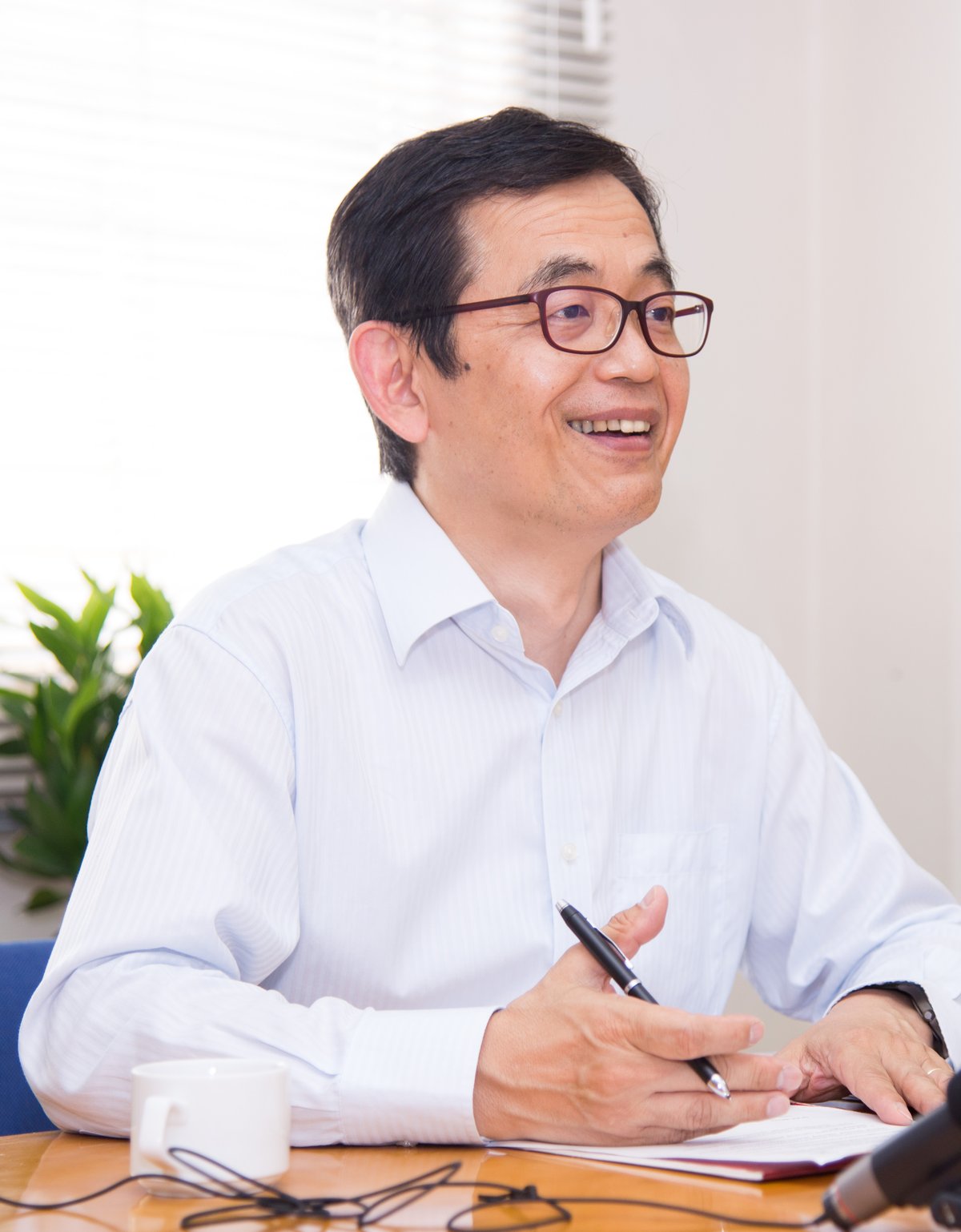
Takashi Kawatani has been President of the Diversity Management Institute since 1989. DEI in Japan has been his daily practice for 35+ years, long before the term was imported.
Japan-Native Framing
The programme uses Japanese workplace categories and vocabulary, not transliterated US-EU concepts. Substance is preserved; framing is local.
Manager-Behaviour Focused
We measure success by what managers do differently, hiring, reviews, meeting design, not by awareness scores. Behaviour change is the deliverable.
How the Training Works
From scoping call to manager-level rollout.
Scoping Call
We discuss the company's DEI maturity, current programmes, and the categories most relevant to your workforce. Output is a programme outline aligned to your goals.
Customised Programme
Module selection and depth tuned to where you are. Senior leadership, HR, ERG sponsors, and line managers each get appropriate depth.
Workshop Delivery
Half-day workshop (overview) or 3-session programme (depth). Remote or on-site. Sessions are designed for Japanese workplace dynamics, not retrofitted from a US format.
Manager Toolkit
Each manager-facing module comes with a behaviour toolkit, checklists for hiring, review, and meeting design. The toolkit is what survives the workshop.
Trainer Track Record
Selected highlights from Takashi Kawatani's career advancing diversity and inclusion in Japanese corporate environments.
Diversity Management Institute
Challenge
Building DEI capability inside Japanese corporations from a Japan-native foundation rather than imported templates.
Result
President of the Diversity Management Institute since 1989, with sustained influence across Japanese multinationals.
Global HR Excellence Award
Challenge
Recognition for sustained impact on global HR and inclusion practice.
Result
Awarded by the World HRD Congress in 2011 for contributions to global leadership and communication.
Japan Overseas Enterprises Association
Challenge
Advising Japanese multinationals on diversity in overseas operations.
Result
Special Advisor role; sustained influence on the diversity practice of Japanese overseas operations.
What Alumni Say
Feedback from HR and leadership teams that ran the DEI programme.
Drawn from Takashi Kawatani's career delivering DEI programmes across Asia-Pacific (20,000+ alumni since 1989). Silkdrive began co-delivering in Europe in 2023; named European programme feedback is added as engagements complete.
“Thanks to this program, I have been able to understand, for the first time, what my Japanese president was thinking. Before the program, we had all kinds of misperceptions about each other that were hard to untie.”
“The first DEI programme our Japanese leadership team didn't politely tolerate. They engaged. The vocabulary actually worked.”
“We left with a manager checklist that survived the workshop and shows up in our hiring loops six months later.”
Who Is This Training For?
This programme is designed for HR leaders, ERG sponsors, country managers, and senior leadership at companies running operations in Japan, whether the company is Japanese, European, or American. It is also relevant for global DEI teams designing programmes that will roll out into the Japanese context.
Format options include a half-day overview workshop (introduction and manager toolkit) or a 3-session programme over 4–6 weeks (depth, discussion, and behaviour change). All formats run remotely or on-site. Japanese-language delivery available.
What you leave with: a manager-behaviour toolkit covering hiring, performance review, promotion, and meeting design; a draft policy gap-analysis against the categories your workforce actually contains; and a vocabulary that lands inside Japanese conversations rather than slamming into them.
Frequently Asked Questions
Common questions about the DEI programme.
Build a Japan-Native DEI Programme
Start with a scoping call. We will map your maturity and recommend the right format.
Related Programmes
Japan Team Communication
Programme for mixed JP–EU teams working together day-to-day.
Read moreJapan Executive Coaching (1:1)
1:1 coaching for HR leads and country managers driving DEI programmes.
Read moreJapan Business Culture Training
Foundational cultural training that sits underneath any DEI work in Japan.
Read more