The Silkdrive Growth Library
Found one of our books?
We leave growth-marketing books in free libraries, each with a QR sticker that points here. This page is the book's companion: what it teaches, which stage of company growth it belongs to, and what to read after it.
No sticker? Welcome anyway. This is the reading list we run our agency on, stage by stage.
Take the book
It is a gift, not a loan. Free libraries work on trust, and so does this one.
Find it below
Every seeded book is on this shelf with why it matters and when in a company's life to read it.
Pass it on
Done reading? Leave it in another free library, sticker and all, and the shelf keeps travelling.
The shelf, by stage
Growth reading only helps if it matches where the company is. We organise the library by stage, from proving demand to crossing borders, and we start with the stage we know best. Each book links to a short summary: the key lessons and the framework inside it.
International expansion
The shelf we know best. Crossing borders is where growth playbooks break, and these explain why, from boardroom behaviour to how culture shapes what an ad can say.
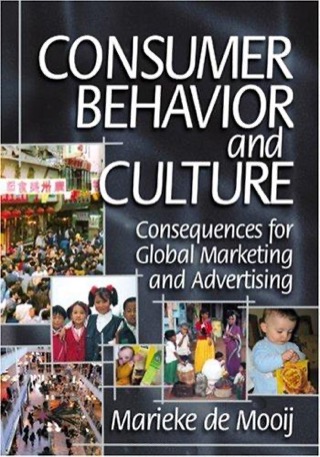
Marieke de Mooij
These two books together are the foundation for applying Hofstede's cultural dimensions to actual marketing decisions.
Erdener Kaynak
This is an academic reference handbook, not a page-turner, but useful when you need specific guidance on market entry decisions, channel selection, or B2B dynamics in a particular culture.

Jean-Claude Usunier & Julie Anne Lee
This is the most thorough academic treatment of how culture shapes marketing strategy.
Erin Meyer
This is the most accessible guide to how culture shapes business behavior and decision-making.

Richard Nisbett
This book goes deeper than business culture. It explains how East Asian and Western people literally think differently: different cognitive patterns, attention, categorization.
Finding product-market fit
Before growth: proving that anyone wants the thing. These are the testing and validation classics.
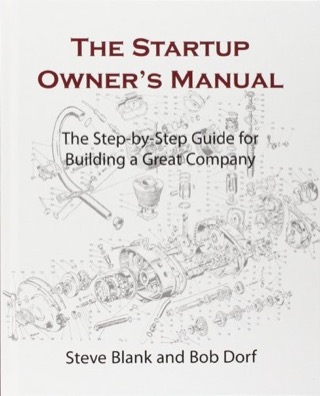
Steve Blank & Bob Dorf
Customer development is the discipline underneath every later framework: get out of the building and test who the customer is before you scale anything.
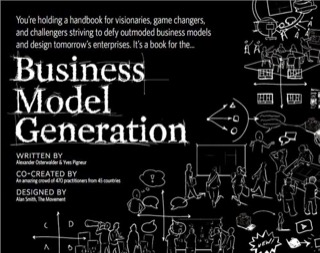
Alexander Osterwalder & Yves Pigneur
Growth doesn't exist in a vacuum. It depends on how your business creates, delivers, and captures value.
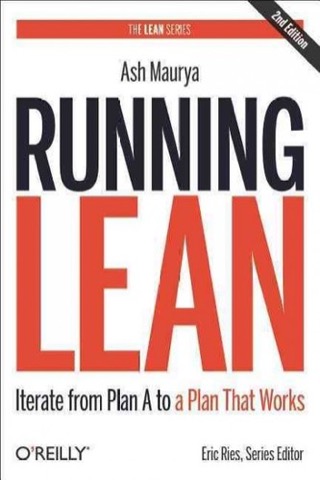
Ash Maurya
The Lean Canvas strips the Business Model Canvas down to what early-stage companies actually need to test.
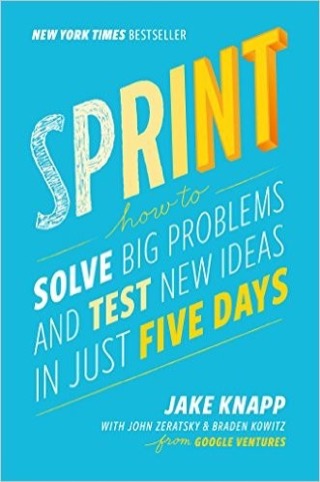
Jake Knapp, John Zeratsky & Braden Kowitz
The Design Sprint is a five-day process to go from a big, fuzzy question to a tested, real-customer answer, without building the actual product.
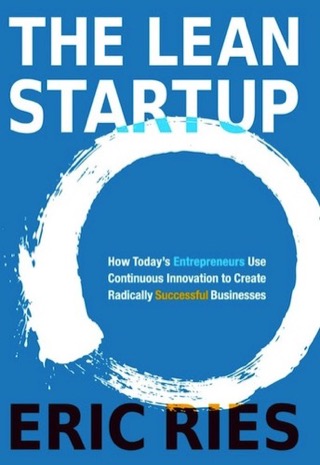
Eric Ries
The Build-Measure-Learn loop is the operational foundation for all growth work. Without it, you're guessing.
Gabriel Weinberg & Justin Mares
Most founders pick their first acquisition channel by luck or bias.
Building the first growth engine
From first customers to a repeatable engine: experiments, habits, and revenue focus.

Ryan Holiday
Holiday strips growth marketing down to first principles: your product is your marketing, and every marketing dollar should directly contribute to revenue or user growth.
Sean Ellis & Morgan Brown
This is the operational blueprint for structuring a growth team and running experiments at velocity.
Nir Eyal
Activation and retention aren't about dumping features on users. They're about understanding the psychology of habit formation and designing products that naturally keep people coming back.

Claude Hopkins
Written in 1923, this book is the foundation of direct response marketing.
Scaling channels
When something works and the question becomes how hard to press: persuasion, differentiation, and speed.
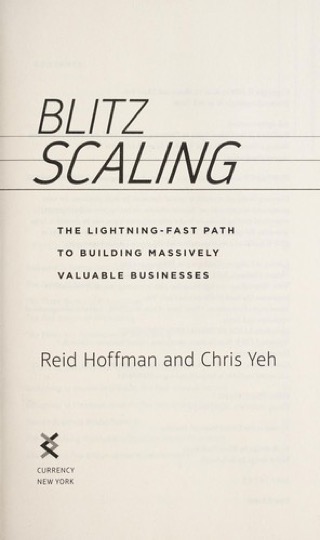
Reid Hoffman & Chris Yeh
Blitzscaling is the opposite of lean, efficient growth. It's about moving fast in markets with network effects, where the first scaler wins.
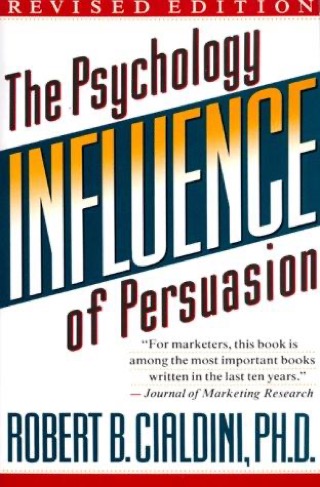
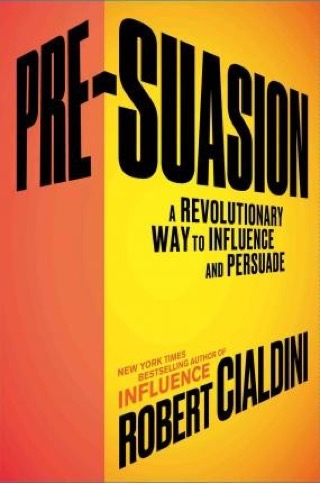
Robert Cialdini
This is the foundational text on how people make decisions. The 7 principles apply directly to landing pages, email sequences, and sales conversations.
Peter Thiel
Most growth work is 1-to-n thinking: optimize what already exists, beat competitors on the same playing field.
The library keeps growing. For how we apply the international shelf in practice, start with our cross-cultural marketing guide or the framework comparison.
Follow the library
New shelf entries, book notes, and the stage-by-stage matrix, sent as they are published. No spam, unsubscribe any time.
The agency behind the shelf: international growth marketing for companies crossing borders.