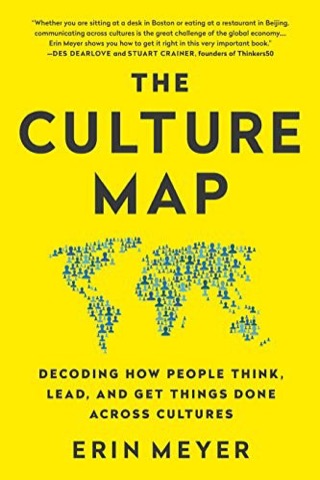
The quick answer: 8 Culture Scales
Communicating, Evaluating, Persuading, Leading, Deciding, Trusting, Disagreeing, Scheduling. Map any two countries on these scales to predict where friction will occur and how to adjust your approach.
Why The Culture Map matters for growth marketers
This is the most accessible guide to how culture shapes business behavior and decision-making. If you're going international, you'll waste money and time if you don't understand the 8 dimensions Meyer outlines. It's the book to read before you write copy for a new market.
The top lessons growth marketers take from it
- 1
Low-Context vs. High-Context Communication Changes Everything
In low-context cultures (US, Germany), people communicate directly and information is explicit. In high-context cultures (Japan, Arab countries), much is left unsaid and context matters enormously. Your marketing copy that works in the US ("Direct, clear, single benefit statement") will fail in Japan. You need to hint, suggest, and provide context.
- 2
Trust is Built Differently Across Cultures
In task-based cultures, trust comes from competence and results. In relationship-based cultures, trust comes from personal connection and reliability over time. This affects your entire sales process. A task-based market responds to data and credentials; a relationship-based market responds to familiarity and recommendations.
- 3
Leadership Styles Are Cultural
The leadership approach that works in Germany (direct, consensus-building) won't work in France (centralized decision-making) or Mexico (relationship-based). In marketing terms: the message that appeals to a German customer (data, efficiency) doesn't appeal to a Mexican customer (trust in the person, brand values). Adapt your pitch and brand voice accordingly.
When to read it
Before you write a single line of copy for a new market, or when entering a region where your current marketing strategy feels off.