Above-the-Line Advertising in Japan: Costs and Budgets
TV, newspaper, magazine, radio, and outdoor advertising in Japan, with typical buying units, indicative costs, and a budgeting method for European companies weighing ATL against digital.
Part of our Advertising and Paid Media in Japan series. Start with the full guide: Advertising in Japan: The Channel Set and What It Costs
- Japan's total ad spend hit a record 8,062.3 billion yen in 2025 (+5.1%), but the growth is digital: internet advertising crossed 50% of the total for the first time
- Traditional above-the-line media (TV, print, radio, OOH) is flat-to-declining and now sits well under a third of total spend, so ATL in Japan is a targeted brand-building layer, not the default
- A national B2C awareness campaign still needs a media budget floor around 100 million yen, and the majority of any Japanese campaign budget goes to media-buying cost, not creative or fees
- TV buying is measured in GRPs: roughly 1,000 GRPs on terrestrial TV runs around 100 million yen (indicative, ~2015), across six national terrestrial networks including public broadcaster NHK
- Dentsu dominates the buy side, historically around a quarter of all Japanese advertising billing and the world's largest agency on a non-consolidated basis
- The practical call for a European company: define the objective, run the 100-million-yen reality check, then decide ATL vs digital-first given internet is now the majority channel, and audit the media-owner cost breakdown
Walk into a Japan launch with a European media plan and you reach for the familiar shape: a digital-heavy performance mix with a thin brand layer on top. That instinct is now roughly right, but only recently, and only if you know what the traditional channels still cost and where they still earn their place.
This article covers above-the-line (ATL) advertising in Japan: what the term covers, how big the market is, what each channel costs to buy, and how to budget for it. Wherever a specific cost is given, treat it as an indicative planning anchor rather than a live quote.
What ATL Means and Where It Sits in the Japan Mix
Above-the-line advertising is the set of mass, non-addressable channels: television, newspapers, magazines, radio, and outdoor or out-of-home (OOH) placements. These are the traditional media, bought by reach rather than by individual targeting. Below-the-line covers the addressable and direct channels: search, social, direct mail, in-store, and events.
For years, ATL was the default in Japan. That has changed. Internet advertising has now overtaken all of traditional media combined, so ATL is no longer the centre of a Japanese media plan.1
The practical consequence: in Japan, above-the-line is a targeted brand-building layer, chosen deliberately for mass-awareness objectives, not the channel you reach for by default. If your goal is performance or mid-funnel demand, the money now sits elsewhere. If your goal is genuine national awareness, ATL is still where scale lives, and it is expensive.
For the broader context on adapting a marketing plan to Japanese buyer behaviour, see our cross-cultural marketing guide.
The Market in Numbers
Japan is one of the largest advertising markets in the world, and it is still growing.
Total advertising spend reached a record 8,062.3 billion yen in 2025, up 5.1% on the prior year. Internet advertising accounted for 4,045.9 billion yen, or 50.2% of the total, crossing half of all ad spend for the first time. Traditional above-the-line media came in at 2,298.0 billion yen, down 1.6%.1
The direction of travel is clear when you compare against a decade earlier. Total spend was roughly 6.2 trillion yen in 2015; it has grown to over 8 trillion, and almost all of that growth is digital. Online media spend passed 1 trillion yen back in 2014, and it has since quadrupled to over 4 trillion.
So the pattern is continuity at the top line. ATL has stayed roughly flat in absolute terms while digital has taken all the growth, which leaves traditional media as a large but shrinking share of a growing pie.
What an ATL Campaign Consists Of, Channel by Channel

Each above-the-line channel has its own buying unit and its own cost logic. The costs below are indicative and older (around 2015), and Japanese media rates have generally risen since, so read every number as a planning floor, not a quote.
Television
Television is the anchor of any Japanese ATL plan. Japan has six national terrestrial TV networks, including the public broadcaster NHK.
TV is bought in gross rating points (GRPs), the standard measure of accumulated audience exposure. As an indicative anchor, buying around 1,000 GRPs on terrestrial television costs on the order of 100 million yen.
The most common television ad length in Japan is 15 seconds, so a national spot campaign is usually planned around a large volume of short spots rather than a handful of long-form films.
Newspapers
Print retains real weight in Japan, and newspaper circulation is on a scale European marketers rarely see at home. Yomiuri Shimbun has a circulation of over nine million, recognised by Guinness as the largest in the world.
Newspaper advertising is sized against a column grid. Japanese newspaper pages use a 15-column (dan) system, and ad space is quoted in terms of how many dan and how many columns wide a placement occupies.
Magazines, Radio, and Outdoor
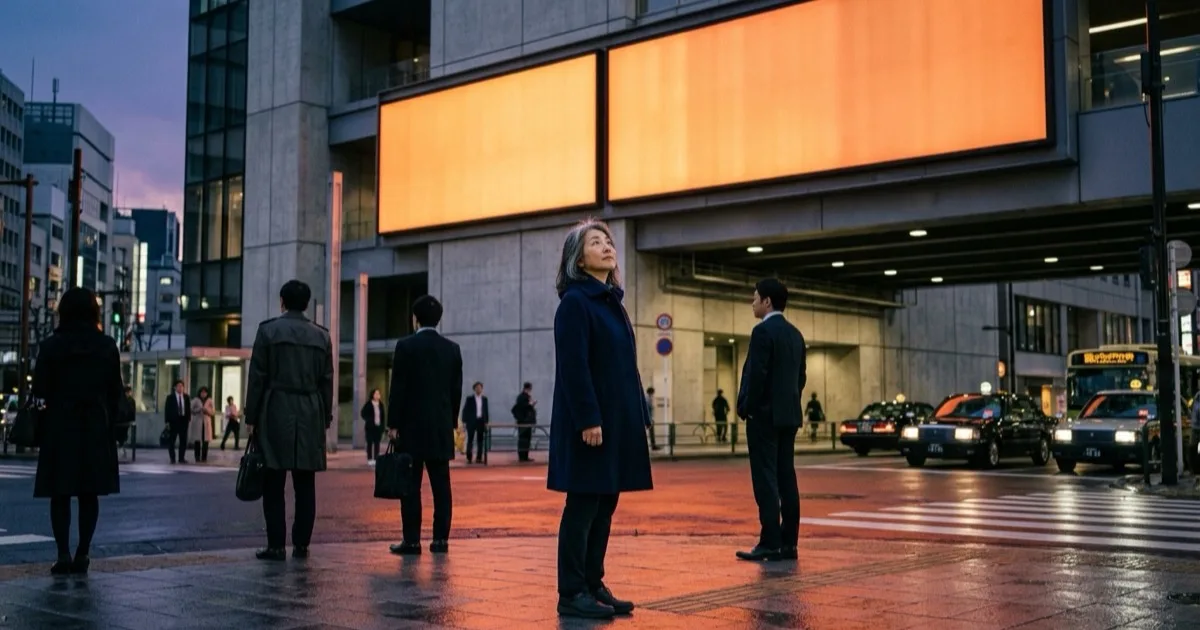
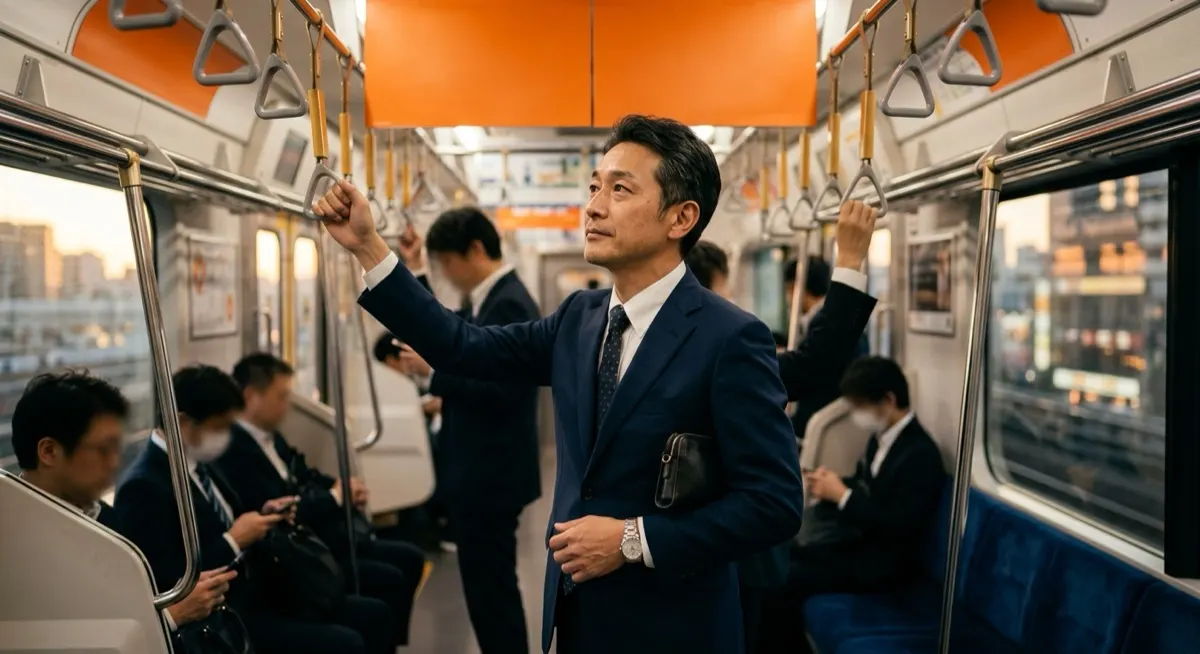
Magazine, radio, and outdoor or out-of-home round out the ATL set. Magazines offer sharper demographic targeting than TV or newspapers; radio adds frequency at lower unit cost; OOH (transit, billboards, urban screens) delivers dense urban reach, particularly in the major metros. These channels are typically planned as support layers around a TV-and-print core rather than as standalone national plays. Rate cards vary widely by title, station, and site, so budget them against the media owner's specific quote.
How to Budget an ATL Campaign in Japan
Two numbers should frame every ATL budget conversation in Japan.
First, the majority of a Japanese marketing budget goes to media-buying cost. Creative and agency fees matter, but the media buy dominates the number, so budget from the media plan outward, not from a creative estimate up.
Second, there is a floor for national reach. A national B2C campaign aimed at building broad awareness needs a minimum media budget around 100 million yen. Below that, you are not buying national awareness, you are buying a regional or niche test, and you should plan it as such.
For a sense of which categories spend at this level, the top ad-spending categories in Japan are Cosmetics and Toiletries, Information and Communication, and Foods. If you are in one of those categories, national ATL is a baseline your competitors already spend at, which is a useful benchmark for what "competitive" spend looks like.
Watch the Gross-Versus-Net Gap
One budgeting trap deserves a warning. Media pricing in Japan is often quoted gross, with agency commission and buying margin folded in, and the split between what the media owner receives and what the agency retains is not always transparent to the advertiser.
The defence is procedural: ask for itemised media-owner invoices, or at least a clear gross-to-net breakdown per channel, before you sign off a plan. You do not need to distrust your agency to insist on this; you need it to compare plans and to know what your money is actually buying.
Where to Source Media and Who Buys It
Japanese media buying runs through an agency system that is more concentrated than most European markets.
Dentsu leads the buy side. It has historically accounted for around a quarter of all Japanese advertising billing and is the world's largest agency on a non-consolidated basis.1
The other domestic majors are Hakuhodo and ADK, and the global agency networks (WPP, Publicis, Omnicom, and Dentsu's own international arm) also operate in Japan. Their relative billings shift year to year, so treat any single market-share figure with caution and confirm the current numbers before you plan a budget around them.
On the sell side sit the media owners: the six national terrestrial TV networks including NHK, and the major newspapers such as Yomiuri Shimbun. In practice a European advertiser rarely buys direct; you work through an agency, which is where the gross-versus-net discipline above earns its keep.
Practical Takeaways for a European Company
Pulling it together, here is how to approach above-the-line advertising in Japan.
Start with a defined objective, then run the reality check. If the goal is national mass awareness, the roughly 100-million-yen media floor is the entry ticket. If your budget is below that, ATL is not your channel for this campaign; plan a regional test or a digital-first approach instead.
Decide ATL versus digital-first on the current mix. Internet advertising is now the majority channel in Japan. For most performance and mid-funnel goals, digital is the sensible default, and ATL is the deliberate brand-building layer you add when the awareness objective justifies the spend.
Work through an agency, but audit the cost breakdown. The buy side is concentrated and the pricing is often gross. Insist on itemised media-owner invoices or a clear gross-to-net split per channel so you can compare plans and control the largest line in your budget.
Treat the indicative costs as a floor. The channel-level figures here are older and Japanese rates have generally risen, so use them to frame the conversation, not to set the final number.
For how Japanese buyer psychology shapes the creative that runs in these channels, see our analysis of Hofstede's cultural dimensions applied to digital marketing. And if you want the Japanese media plan built and audited from the European side, that is part of our international digital marketing service.
References
Stay Ahead in Cross-Cultural Marketing
Get monthly insights on international growth strategies, cultural intelligence, and digital marketing trends delivered to your inbox.
We respect your privacy. Unsubscribe at any time.