Negotiate Confidently With Japan
Japan negotiation training is a programme on the principles that govern Japanese negotiation — BaMaWa, Honne/Tatemae, hierarchy, silence, and consensus building — for European and Japanese teams negotiating across the Japan–Europe corridor in both directions. Delivered by Takashi Kawatani (Diversity Management Institute, 35+ years, 20,000+ alumni).
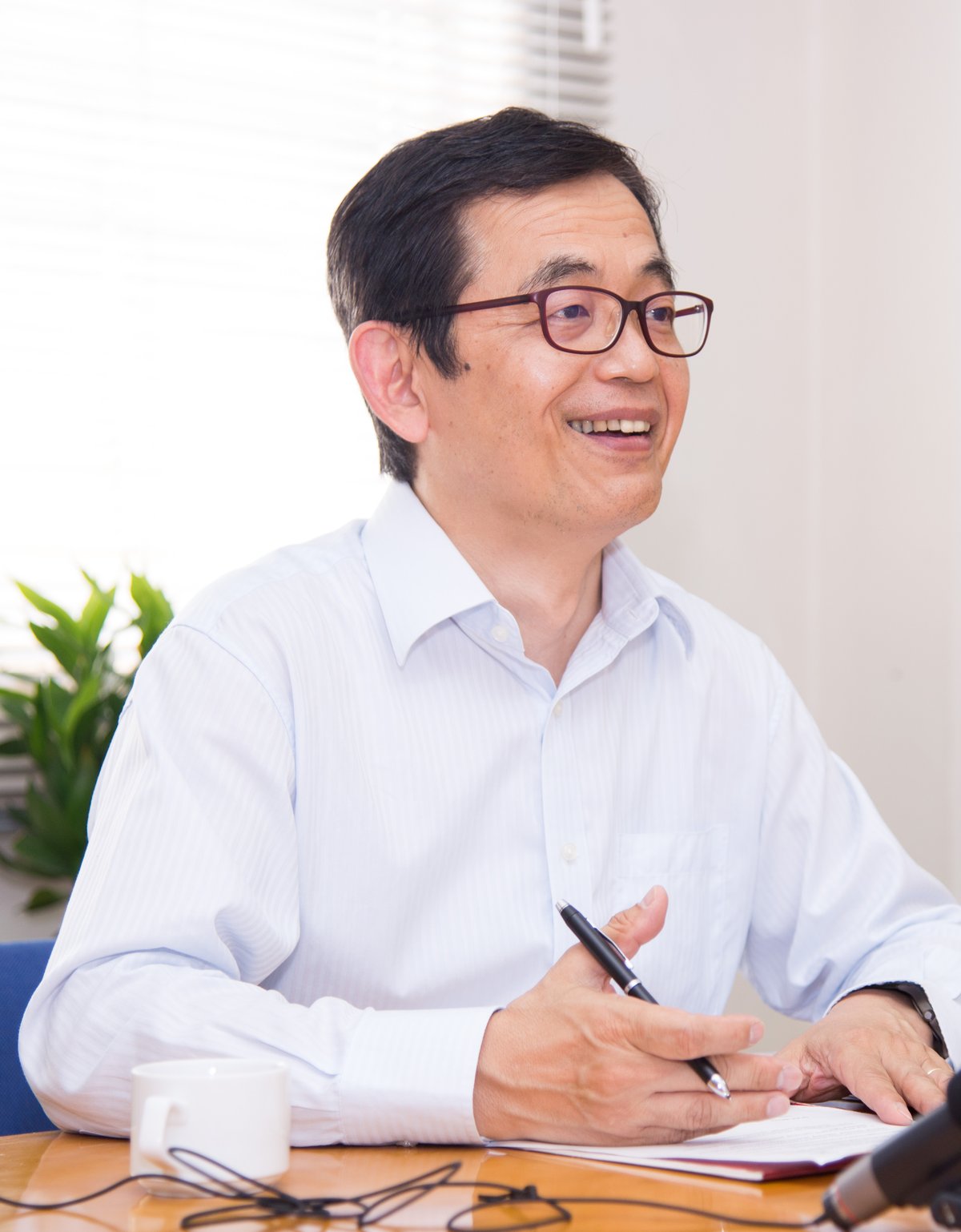
Silkdrive is the preferred European delivery partner of Diversity Management Institute (Tokyo). Takashi Kawatani-sensei leads the Japan-side curriculum and trains directly; Silkdrive scopes engagements, contributes European-side context, and runs delivery. Co-delivery in Europe began in 2023. More on the partnership →
Why Negotiations Break Down
Most failed Japan–Europe deals don't fail on price. They fail because both sides misread the same signals.
Reading Silence Wrong
Europeans treat silence as disagreement and rush to fill it with concessions. Japanese counterparts treat it as thinking time. The European side ends up giving away value they didn't need to.
Honne vs Tatemae Confusion
Japanese negotiators separate stated position (tatemae) from actual position (honne). Europeans take statements at face value and miss the real signal, or call it 'dishonest', which kills the deal.
Pace Mismatch
European pace assumes decisions in the room. Japanese pace assumes decisions happen after the meeting, in internal alignment (ringi). Pushing for closure inside the meeting backfires.
Hierarchy Misreads
The most senior Japanese person in the room is rarely the negotiator. They are the witness. Targeting them directly forces a no. The same misread happens in reverse when Japanese teams meet European counterparts.
Training Modules
Six modules grounded in Japanese negotiation principles, with applied role-play in both directions.
Japanese Negotiation Principles
BaMaWa (場間和), Honne/Tatemae, ringi consensus, the role of the nemawashi process, and how to operate inside this system rather than against it.
- BaMaWa harmony framework
- Honne vs. Tatemae reading
- Nemawashi pre-alignment
European Negotiation Patterns
Direct framing, single-table decision-making, procurement and legal as gatekeepers, the patterns Japanese teams need to recognise when negotiating into Europe.
- Direct framing and counter-offers
- Procurement and legal involvement
- Single-meeting decision norms
Reading the Room
Decoding silence, non-verbal cues, side conversations, and seating patterns. Recognising who actually decides in the room and who decides outside it.
- Silence as signal
- Non-verbal alignment
- Decision-maker identification
Pacing & Timing
Calibrating pressure. When to wait, when to escalate, when to use silence as your own tool, and how to design multi-meeting sequences that respect ringi while keeping momentum.
- Multi-meeting cadence
- Pressure calibration
- Using silence intentionally
Hierarchy & Roles
Mapping the negotiation table, decision-maker, recommender, gatekeeper, blocker, witness. Reading rank-by-card and seating to identify each.
- Role mapping at the table
- Working through the recommender
- Respecting the witness
Closing & Commitment
Structuring agreement so it survives ringi review on the Japanese side and procurement review on the European side. The role of memos, minutes, and follow-up letters.
- Memo and minutes design
- Conditional closing structures
- Post-meeting follow-up
Why Train With Kawatani
Three reasons negotiation teams choose this programme.
Author of the Curriculum
Takashi Kawatani has authored 13 books on global leadership and negotiation, including dedicated material on Japanese negotiation principles. The frameworks taught here are his.
Both Directions Native
Trained 20,000+ professionals on negotiating with Japanese counterparts and Japanese teams negotiating with non-Japanese. Same trainer, same framework, both directions.
Role-Play Heavy
The programme is 40% role-play. Bring real or recent negotiations and we will replay them with structured feedback. No theory-only lectures.
How the Training Works
From scoping call to applied outcomes.
Scoping Call
We map the team, the corridor direction, and any active or recent negotiations the team wants to use as material. NDAs in place before any deal data is shared.
Customised Programme
Module depth is tuned to the team’s seniority and current deals. Role-play scenarios are built around your sector, IT, manufacturing, professional services, FMCG, etc.
Workshop Delivery
1-day workshop or 2-day intensive. Remote or on-site. Day 1 covers principles and reading the room; Day 2 is applied role-play with structured feedback.
Optional Follow-Up
4–6 weeks later, optional debrief call. Team brings a live negotiation to review against the framework. We adjust the playbook before the next round.
Trainer Track Record
Selected highlights from Takashi Kawatani's career as a cross-cultural negotiation trainer.
Negotiation Curriculum Author
Challenge
Building a Japanese negotiation curriculum that works for non-Japanese audiences and for Japanese audiences negotiating outside Japan.
Result
Authored 13 books and 10 e-learning products on global leadership and negotiation, used across multinational training programmes.
Global HR Excellence Award
Challenge
Recognition for sustained impact in cross-cultural negotiation training at scale.
Result
Awarded by the World HRD Congress in 2011 for contributions to global leadership and communication training.
Sanno Institute & JOEA
Challenge
Bringing Japanese negotiation principles into formal institutional curricula.
Result
Lecturer at Sanno Institute of Management and Special Advisor to the Japan Overseas Enterprises Association.
What Alumni Say
Feedback from negotiators trained on the BaMaWa and Japanese negotiation programmes.
Drawn from Takashi Kawatani's career delivering Japanese cross-cultural training across Asia-Pacific (20,000+ alumni since 1989). Silkdrive began co-delivering in Europe in 2023; named European cohort feedback is added as engagements complete.
“Thanks to this Principles of Negotiating With Japanese, I can now do business with them knowing where to push gently and where not. I have realised the areas of change in my current negotiation style.”
“Thanks to this program, I have been able to understand, for the first time, what my Japanese president was thinking. Before the program, we had all kinds of misperceptions about each other that were hard to untie.”
“The role-play sessions on silence and pacing changed how our team prepares for every Tokyo trip. Most useful training we have had in years.”
Who Is This Training For?
This programme is designed for deal leaders, business development executives, country managers, procurement professionals, and senior leadership who negotiate across the Japan–Europe corridor. It works equally well for European teams negotiating with Japanese counterparts and for Japanese teams negotiating with European counterparts.
Format options include 1-day workshops (principles + light role-play), 2-day intensives (full framework + extensive role-play), and bespoke multi-session formats for teams handling a complex ongoing negotiation. All formats run remotely or on-site, in English (Japanese support available).
What you leave with: a working negotiation playbook for the corridor direction you operate in, a decision-maker mapping template, a silence-and-pacing framework, and personalised role-play feedback. The goal is that the next negotiation feels structurally different, not just better-informed.
Frequently Asked Questions
Common questions about the cross-cultural negotiation programme.
Train Your Negotiators
Get a customised proposal based on your team’s direction, sector, and the deals you’re running.
Related Programmes
Japan Sales Training
Full-cycle sales training for teams selling between Japan and Europe.
Read moreJapan Executive Coaching (1:1)
Confidential coaching for leaders navigating high-stakes negotiations.
Read moreJapan Business Culture Training
Foundational cultural training for teams new to Japanese business contexts.
Read more