The quick answer: The Hook Model
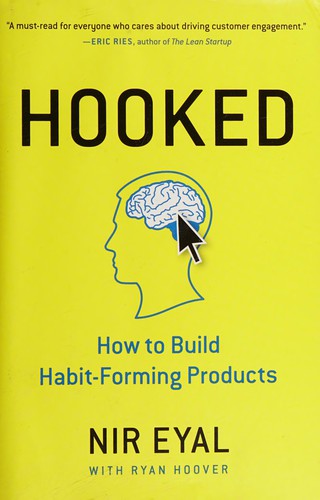
A 4-step cycle that creates user habits: (1) Trigger: External cues (notifications, emails, calls-to-action) or internal emotions (boredom, curiosity, FOMO). (2) Action: The simplest possible behavior to perform (a click, a search, a message). (3) Variable reward: Unpredictable outcomes that create a dopamine loop (different recommendations each time, surprise discounts, new comments). (4) Investment: Users put in effort or data (uploading content, customizing preferences, building a profile). This creates a loop, satisfied users feel internal triggers to return, which prompt actions, which trigger variable rewards, which encourage investment, which deepens the habit.
Why Hooked matters for growth marketers
Activation and retention aren't about dumping features on users. They're about understanding the psychology of habit formation and designing products that naturally keep people coming back. Eyal's Hook Model is the clearest framework for engineering habit-forming products.
The top lessons growth marketers take from it
- 1
The Hook Model creates user habits through a 4-step cycle
Trigger → Action → Variable Reward → Investment. Most teams focus only on features. Instead, design the entire product around this cycle: What's the trigger that brings users back? What's the simplest action they can take? What's the variable reward that reinforces the behavior? What's the investment that increases their commitment? Repeat this cycle and you build habits, not features.
- 2
Internal triggers are more powerful than external ones
A push notification (external trigger) gets ignored. An internal trigger, a feeling of boredom or FOMO or the need to organize something, is what brings users back unprompted. Design your product to address internal triggers and you'll see much higher retention.
- 3
Investment increases commitment
Users who customize their profile, build data in your system, or invest time learning your product are much more likely to keep using it. Design your activation to include an early investment (even a small one) and watch your retention improve.
When to read it
When activation or retention is your biggest bottleneck. If most users sign up but don't return, use the Hook Model to redesign your activation flow and understand what's preventing habits from forming.